The Invisible Phase: Why Pre-Construction Takes as Long as the Build (And Saves You Millions)
Most clients see a construction site come to life and assume that is when the real work starts. The framing goes up, the crews arrive, the building takes shape. What you do not see is the months of engineering, design coordination, permitting, and documentation that made all of that possible. Pre-construction is not a waiting room before the project begins. It is the project, and at HB Design and Engineering, it is where we protect your budget, your schedule, and your ability to build at all.
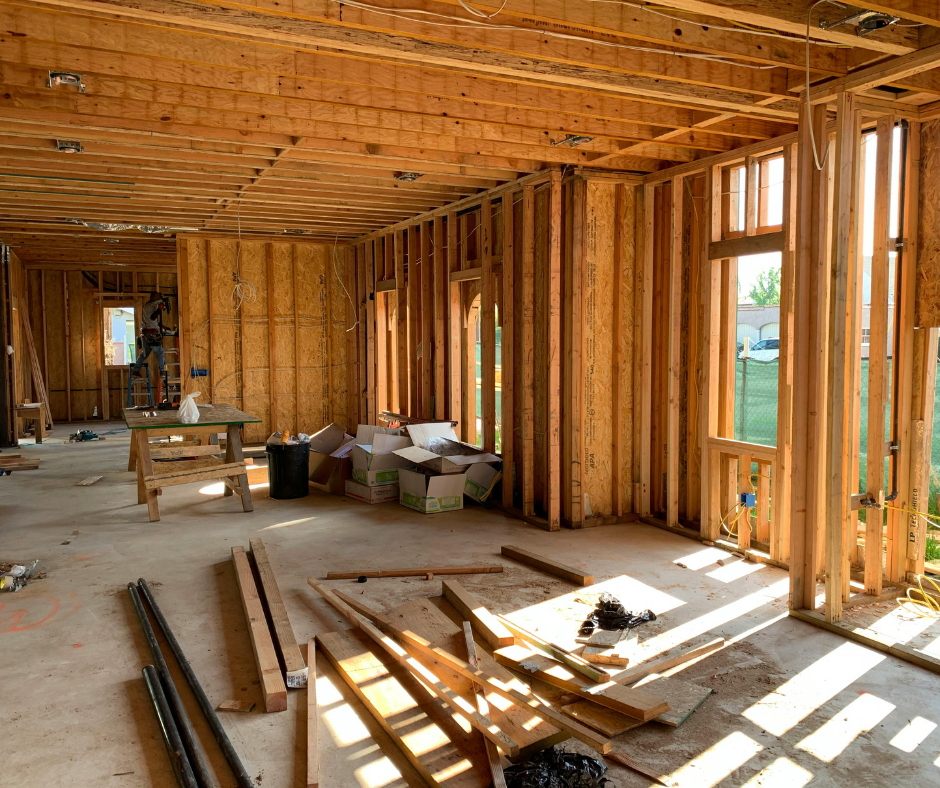
What Pre-Construction Actually Covers
When you hire HB Design and Engineering, the first phase of your project is a sequence of technical work that runs well before any contractor breaks ground. This includes schematic design, where we establish the layout, massing, and scope of your project. It includes design development, where we refine those concepts into detailed drawings that account for structural loads, mechanical systems, electrical distribution, and plumbing. It includes construction document preparation, where every element of the project is documented with enough precision for a contractor to build from and a building department to approve.
None of these phases are paperwork formalities. Each one is a decision point that either saves money or costs money depending on how carefully it is handled.
Why Each Phase Takes the Time It Takes
Schematic design for a commercial project typically takes three to six weeks. That timeline exists because we are not just drawing a floor plan. We are analyzing zoning regulations, setback requirements, occupancy classifications, fire ratings, and Florida Building Code requirements that apply to your specific site and use type. A decision made in schematic design that conflicts with local zoning can require a full redesign weeks later if it is not caught early.
Design development takes another four to eight weeks, depending on project complexity. This is where our structural engineers size your beams and columns, our MEP engineers lay out your mechanical and electrical systems, and we coordinate all of those disciplines into a single set of drawings that do not conflict with each other. One undetected conflict between a structural beam and an HVAC duct, discovered during construction, can cost $30,000 to $80,000 in rework and delay your schedule by weeks.
Construction document preparation follows, and for a mid-size commercial project this can take six to twelve weeks. These documents include every detail a building inspector will need to approve your permit and every detail a contractor will need to price and build the project accurately. Vague documents produce high contractor bids. They also produce change orders.
What Happens When You Rush This Phase
The instinct to start construction as fast as possible is understandable. Every month a project sits in design costs carrying costs on your land and delays your return on investment. But projects that skip or compress pre-construction reliably cost more in total than projects that execute it thoroughly.
When structural details are not fully resolved before construction starts, contractors request clarifications through the field. Those field decisions are made under time pressure by people whose job is to build, not to engineer. The result is often a structure that performs below its design intent or requires expensive remediation. When MEP systems are not fully coordinated before construction, you end up with systems that do not fit in the ceiling, ducts that interfere with structural elements, and electrical panels installed in locations that do not meet code. Each of these problems stops work on the job site while engineers resolve them remotely, on a rush timeline, at premium rates.
The change order is the most expensive document in construction. A design decision that costs $500 to change on paper costs $15,000 to $150,000 to change in the field. Pre-construction is the process that moves those decisions to where they are cheap.
How HB Design and Engineering Structures This Phase
At HB Design and Engineering, we run pre-construction as a coordinated, multi-discipline process. Our architectural, structural, and MEP teams work on the same project simultaneously, sharing drawings and resolving conflicts before they become field problems. We submit permit applications with complete, code-compliant documentation so that building departments can review and approve without requesting revisions that restart the clock.
We also handle pre-application meetings with local Authorities Having Jurisdiction in Hillsborough County, Pinellas County, and municipalities across Florida. These meetings let us identify issues with your project before the formal review begins, which dramatically reduces the chance of a rejection or a major revision request mid-review.
A commercial permit review in Florida typically takes six to twelve weeks after submission. Projects submitted with incomplete or non-compliant drawings go back to the applicant for correction and rejoin the queue. Projects submitted with fully coordinated, code-compliant documents move through review without interruption. That difference can represent months of added delay and thousands of dollars in carrying costs.
The Real Cost Comparison
Consider a $2 million commercial construction project. A thorough pre-construction process at HB Design and Engineering typically represents 8 to 12 percent of total construction cost. That investment covers full engineering, coordinated permit documents, and proactive permitting support. Projects that compress pre-construction to save on design fees routinely encounter $150,000 to $400,000 in change orders during construction, plus schedule delays that push occupancy back by two to four months.
You do not save money by minimizing pre-construction. You shift costs forward and multiply them.
Frequently Asked Questions
How long does pre-construction take for a commercial project in Florida? For a mid-size commercial project, pre-construction typically takes four to eight months from initial design through permit approval. This timeline includes schematic design, design development, construction document preparation, permit submission, and the building department's review period. Complex projects or sites with zoning challenges take longer.
What does an engineering firm do during pre-construction? An engineering firm prepares the structural, MEP, and architectural documents that define exactly how your building will be built. This includes structural calculations, mechanical system layouts, electrical distribution plans, plumbing designs, and a complete set of permit-ready drawings. The firm also coordinates between disciplines to eliminate conflicts before construction begins.
Why is pre-construction so expensive? Pre-construction is priced based on the technical work required to produce a fully coordinated, code-compliant set of construction documents. The cost reflects the expertise of licensed engineers and architects, the time required to coordinate multiple disciplines, and the risk of professional liability that the engineering firm assumes when they seal and sign your drawings.
Can you start construction before pre-construction is complete? In some cases, phased permitting allows early site work or foundation work to begin while the rest of the project is still in design. HB Design and Engineering can advise you on whether this approach fits your project and how to sequence it without creating conflicts downstream.
What causes pre-construction delays? The most common causes are incomplete site information at project start, client decisions that require design revisions, building department review times, and the need to respond to plan check comments. A well-prepared application submitted with complete information minimizes all of these.
Work With a Team That Protects Your Investment From Day One
HB Design and Engineering provides full pre-construction services for residential and commercial projects across Florida. We coordinate architecture, structural engineering, and MEP systems into permit-ready documents designed to move through your local building department without delays.
If you are planning a project and want to understand what the pre-construction phase will require for your specific site and scope, contact our team for a consultation.


Comments