Residential Engineer Near Me: Your Complete Guide to Hiring the Right Expert for Your Florida Home
When you're planning a home renovation, adding a second story, or addressing structural concerns, one question becomes critical: Where do I find a residential engineer near me? For Florida homeowners, this question isn't just about convenience—it's about finding someone who understands Florida's unique building codes, hurricane-resistant design standards, and permitting requirements that set our state apart.
Table of contents
What Does a Residential Engineer Actually Do?
Before you search for a "residential engineer near me," it helps to understand exactly what these professionals do and why they matter for your project.
Residential engineers are licensed professionals who design and evaluate the structural integrity of homes. Unlike general contractors or architects, residential structural engineers focus specifically on the science and safety of how buildings stay standing. They work on everything from load-bearing walls and foundations to roof systems and additions.
Common Residential Engineering Services Include:
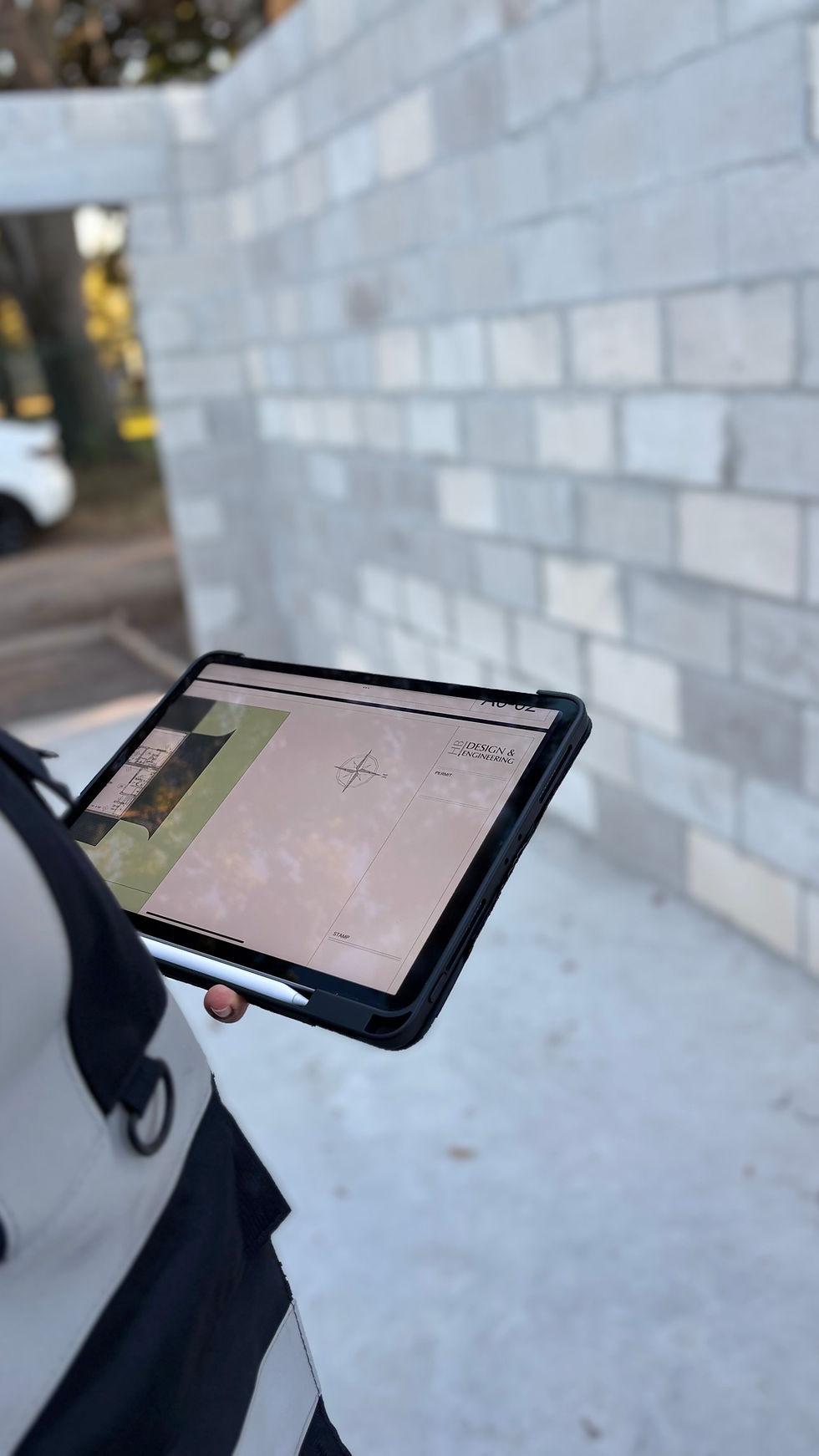
Structural design for home additions and renovations
Foundation analysis and repair recommendations
Load-bearing wall modifications for open-concept layouts
Roof system design and reinforcement
Forensic engineering to diagnose structural issues
Building code compliance and permit drawings
Hurricane-resistant design for coastal Florida homes
Repair engineering for damage assessment and solutions
In Florida specifically, residential engineers also address unique challenges like salt-air corrosion, high water tables, sandy soil conditions, and the hurricane wind loads required by the Florida Building Code. This localized expertise is exactly what you need when searching for a residential engineer near me.
Why You Need a Residential Engineer in Florida
The difference between a good renovation and a failed one often comes down to getting the structural engineering right from the start.
Florida's building environment is unlike anywhere else in the U.S. Our state updates its building code every three years to incorporate lessons from storms and new construction technologies. A general contractor might have experience, but they're not trained to design structural solutions or navigate these evolving code requirements.
Here's when you absolutely need a residential engineer:
Home Additions and Expansions: Adding a second story, extending a room, or building out your home requires calculations for load distribution, foundation support, and code compliance. An engineer ensures your addition is safe and that local permits will be approved without delays.
Structural Repairs: If you've noticed cracks in walls, sagging ceilings, or water damage affecting structural elements, a residential engineer diagnoses the root cause and designs a repair strategy. They provide the documentation your contractor needs and ensure the fix is permanent.
Hurricane-Resistant Upgrades: Coastal and hurricane-zone homes benefit from structural reinforcement. Engineers design roof upgrades, wall bracing, and foundation work to meet Florida's 170+ mph wind ratings in coastal areas.
Renovation and Code Compliance: Opening up walls, relocating plumbing or electrical, or modernizing old homes often requires structural modifications. A residential engineer ensures your vision doesn't compromise safety or code compliance.
Pre-Purchase Inspections: Concerned about a home's structural condition before you buy? An engineer provides a professional evaluation that gives you peace of mind (or critical information for negotiation).
How to Find a Residential Engineer Near Me: What to Look For
Searching for a residential engineer near me online will return many results, but not all engineers are created equal. Here's what separates the best from the rest:
Credentials and Licensing
Always verify PE (Professional Engineer) licensure. In Florida, any engineer signing off on structural work must hold a current Florida PE license. Check the Florida Department of Business and Professional Regulation (DBPR) website to confirm credentials. A licensed PE has passed rigorous exams and maintains continuing education standards—this matters for your project's liability and insurance.
Local Experience with Florida Building Code
Experience matters, especially in Florida. Look for firms that have worked extensively on residential projects in your specific region. Engineers familiar with your county's permitting process, local building department quirks, and South Florida's unique soil and climate conditions will move your project faster and avoid costly redesigns.
Portfolio and References
Ask for examples of projects similar to yours—whether that's home additions, structural repairs, or hurricane-resistant upgrades. Request references from both homeowners and contractors they've worked with. A strong reputation with local contractors is a major indicator of reliability and practical knowledge.
Responsiveness and Communication
Your residential engineer should explain their findings and recommendations in plain language, not dense technical jargon. They should respond to questions promptly and keep you informed throughout the design process. Poor communication now leads to expensive surprises later.
Turnaround Time & Efficiency
For renovation projects, time is money. Ask about typical timelines for design drawings, revisions, and permit submissions. Firms experienced with local permitting know how to prepare documents that pass the first review—saving you weeks.
The Process: From First Contact to Approved Plans
Step 1: Initial Consultation: Contact a residential engineer with details about your project. Be ready to describe your vision, any existing concerns, and your timeline. Many engineers offer free or low-cost consultations. This is your chance to assess whether they understand your needs and can explain their process clearly.
Step 2: Site Visit & Assessment: The engineer visits your home to evaluate the existing structure, soil conditions, and current code compliance. For renovations, they measure spaces, photograph existing conditions, and note any red flags. This on-site work is critical for accurate design.
Step 3: Design & Calculations: Based on their findings, the engineer creates structural designs and calculations. This includes load analysis, material specifications, and detailed drawings. The design must comply with current Florida Building Code standards.
Step 4: Permit Drawings: The engineer prepares official construction documents ready for permit submission. These drawings include site plans, structural details, calculations, and notes required by your local building department.
Step 5: Permit Coordination: Some engineers help coordinate with your local building department, answering questions and submitting revisions if needed. This service accelerates the permit approval process.
Step 6: Construction Support: Once construction begins, your engineer can provide site inspections and answer questions that arise during building. This ensures the project stays true to the design and meets code requirements.
The Cost of Hiring a Residential Engineer Near Me
What should you expect to pay? Residential engineering costs vary widely based on project complexity, but here's a realistic breakdown:
Project Type | Typical Cost Range |
Simple structural consultation or report | $500–$1,500 |
Home addition (permit drawings) | $2,000–$5,000+ |
Structural repair design | $1,500–$4,000 |
Renovation with significant modifications | $3,000–$8,000+ |
Hurricane-resistant upgrade design | $2,000–$6,000 |
Cost factors include:
Project size and complexity
Extent of calculations and drawings required
Local travel distance
Timeline urgency
Whether engineer handles permit coordination
Think of this investment as insurance. A residential engineer's upfront work prevents costly construction mistakes, ensures code compliance (avoiding fines or forced redesigns), and protects your property value. In most cases, the engineer's fee is recouped by avoiding delays and doing it right the first time.
Red Flags: What to Avoid
Not all professionals calling themselves engineers have the same qualifications. Here's what to watch for:
Unlicensed "engineers": If they can't show a current PE license, don't hire them. In Florida, only licensed PEs can legally sign and seal structural drawings.
No local references: If they can't cite Florida projects or local experience, they may struggle with state-specific codes and permitting.
Pressure to rush or skip steps: Legitimate engineers take time for proper site assessment and design. Anyone pushing you to skip these steps isn't doing their job.
Vague pricing: Professional engineers provide detailed quotes breaking down what's included. If the price seems too good to be true, it probably is.
Poor communication: If they're hard to reach or don't explain their findings clearly, that's a warning sign about the project ahead.
Making Your Decision: Residential Engineer Near Me
When you're ready to hire a residential engineer, gather quotes from at least three firms. Compare not just price, but credentials, experience, communication style, and timeline. The cheapest option isn't always the best investment—especially when structural integrity and code compliance are on the line.
Ask each firm these key questions:
Are you currently licensed as a PE in Florida? Can you provide your license number?
How many residential projects have you completed in our county?
What's your typical timeline from initial consultation to permit submission?
Do you handle permit coordination, or does the homeowner?
What's included in your fee, and are revisions covered?
Can you provide references from recent homeowners and contractors?
Working with HB Design and Engineering
When your home needs professional structural design, renovation planning, or code-compliant engineering drawings, partnering with an experienced residential engineer makes all the difference. The right engineer understands Florida's unique demands—from hurricane-resistant standards to coastal foundation challenges—and delivers designs that pass permits on the first review.
HB Design and Engineering brings licensed PE expertise and years of Florida residential project experience to every consultation. Whether you're adding a room, addressing structural concerns, or planning a major renovation, the team provides clear guidance, efficient design processes, and the local knowledge that accelerates your project from concept to construction.
Ready to move forward with confidence? Reach out for a consultation—discuss your project vision with professionals who understand both the technical requirements and the practical realities of building in Florida.
Final Thoughts: Your Next Step
Finding a residential engineer near me is one of the smartest decisions you can make for any significant home project. The right engineer protects your investment, ensures code compliance, and gives you and your contractor a clear, professional roadmap to success.
Don't wait until problems arise. Whether you're in the planning stages or need to evaluate structural concerns, connect with a licensed residential engineer who knows Florida inside and out. Your home—and your peace of mind—deserves nothing less.
Have questions about your residential engineering project? Take the first step today. A professional consultation will clarify what your project needs and set you on the path to a successful renovation or repair.


Comments