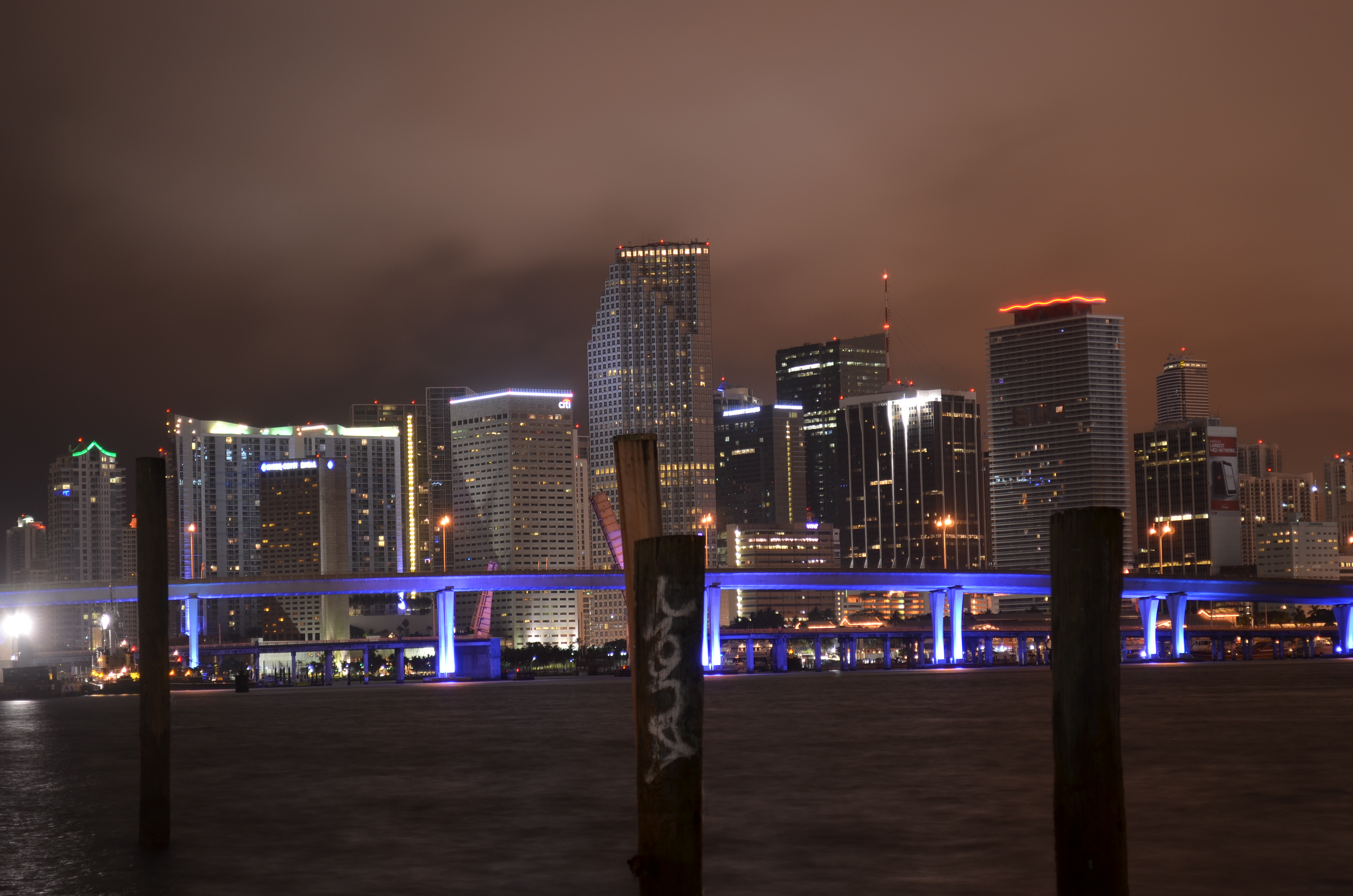
Architectural Design in Miami, FL
Architectural Design Miami | HVHZ-Compliant High-Rise & Mixed-Use Designs
Miami's HVHZ designation means every design decision must account for 150+ mph wind loads and strict product approval requirements. We create architectural plans for Brickell, Wynwood, and Edgewater projects that meet the City of Miami Building Department standards.
Architectural Design for Brickell, Wynwood, and Edgewater Development
Architectural design in Miami is different. You're not just creating beautiful spaces, you're engineering resilience into every design decision. Miami's High Velocity Hurricane Zone (HVHZ) classification means the City of Miami Building Department evaluates your designs against the most rigorous wind, water intrusion, and structural standards in Florida. Brickell's luxury residential boom, Edgewater's waterfront development surge, Wynwood's creative mixed-use renaissance, and Downtown Miami's expanding commercial district all demand architectural designs that merge aesthetic vision with Miami-specific code compliance.
HB Design and Engineering's architectural design process starts with HVHZ requirements. We integrate Miami-Dade NOA product specifications, enhanced wind pressure calculations, elevated first-floor strategies, and water intrusion details into the design concept itself, not as an afterthought. This approach means your design is beautiful, functional, and code-ready from day one. Whether you're developing a high-rise residential condominium in Edgewater, a mixed-use cultural project in Wynwood, or a luxury commercial tower in the Design District, our architectural designs navigate Miami's coastal, limestone-based, and hurricane-exposed environment.
We understand Miami's development context: the aggressive project timelines of Brickell's condo market, the creative overlay requirements of Wynwood, the waterfront complexity of Miami River corridor projects, and the design district's architectural standards. The network of licensed professionals we coordinate with deliver architectural designs that City of Miami Building Department approves faster, and that contractors can build more efficiently.

Architectural Design for Miami Contractors, Developers, and Homeowners
General Contractor Perspective: HVHZ Design Details That Impact Construction
As a GC building in Miami, you need architectural designs that clearly address HVHZ-specific construction details. The designs we coordinate specify Miami-Dade NOA-approved products, detail water intrusion assemblies that your trades can execute, and clarify wind-resistant connection details upfront. This reduces RFIs, minimizes change orders, and keeps your schedule on track in Miami's competitive market.
Material Selection & NOA Product Coordination
Miami's NOA requirements mean material selections can't be made after design, they must be part of architectural strategy. We design with NOA compliance in mind, coordinate approved product specifications, and ensure your BOM (Bill of Materials) aligns with Miami-Dade requirements before construction documents are finalized.
Waterfront, Overlay, and Zoning Navigation
Edgewater waterfront projects, Wynwood creative overlay, Miami River corridor, and Design District architectural standards add design layers most architects don't routinely navigate. Our architectural designs respect Miami-specific zoning overlays, respond to neighborhood context, and still meet your schedule and budget.
Miami Building Department Quick Reference
Residential Renovation & Addition Design
Developer Focus: Design That Accelerates Approvals & Attracts Investment
Miami developers know that beautiful design is just the starting point. Architectural design that anticipates City of Miami Building Department questions, addresses HVHZ from the concept stage, and demonstrates code compliance clarity attracts lenders and moves projects faster. The designs we coordinate are investment-ready and approval-ready simultaneously.
Market-Responsive Design in Brickell, Edgewater & Wynwood
Different Miami neighborhoods demand different design approaches. Brickell's luxury condo market, Edgewater's waterfront premium positioning, Wynwood's creative cultural identity, and the Design District's architectural prestige each require tailored design strategies. Our team has designed across Miami neighborhoods and understands the market context.
Residential Renovation & Addition Design
Miami homeowners adding space or renovating need architectural designs that enhance their property while respecting HVHZ requirements. We provide residential design services for additions, renovations, and accessory structures that work with Miami's challenging foundation conditions, tight coastal setbacks, and hurricane-resistant standards.
Why Choose HB Design and Engineering in Miami
HVHZ Design Integration from Concept
- We don't treat HVHZ as a constraint to work around after design. HVHZ requirements inform our architectural concepts from day one. This creates designs that are both beautiful and code-ready, and that pass City of Miami Building Department review without design rework.
Coordinated Structural & MEP Integration
- Our architectural designs coordinate with structural and MEP teams. Water intrusion strategies, wind-resistant details, and building envelope assembly are resolved during design, not during construction documents. Faster delivery, better coordination, fewer clashes.
Miami Waterfront & Coastal Design Expertise
- Edgewater, Brickell waterfront, Miami River, and Biscayne Bay projects require design approaches that respect coastal constraints, elevation requirements, and water management strategies specific to Miami's HVHZ environment. Our team has designed major waterfront projects in these neighborhoods.
Neighborhood Context & Overlay Familiarity
- Wynwood's creative district overlay, Design District's architectural standards, Miami River overlay district, and Downtown development zoning all create design overlays that non-Miami architects often miss. We design with these overlays in mind.
City of Miami Building Department
(305) 416-1100
Average Review Time:
Architectural review 15-30+ business days (building department then design review processes)
Pro Tip:
Submit architectural drawings with clear HVHZ compliance strategy, product specifications showing NOA approval, and detailed building envelope assembly details. City reviewers look at water intrusion strategies and wind-resistant connections specifically, address these clearly on your architectural sheets.

Architectural Design Project Types in Miami

• High-rise residential condominiums (Edgewater, Brickell, Downtown Miami)
• Mixed-use developments (Wynwood, Miami River corridor)
• Luxury commercial towers (Design District, Brickell)
• Waterfront hospitality and hotel projects
• Cultural and arts facilities (Wynwood, Design District)
• Residential renovations and additions
• Small commercial and retail projects
FAQs
How does architectural design in Miami differ from other Florida cities?
Miami's High Velocity Hurricane Zone (HVHZ) classification means architectural design must address extreme wind pressures, enhanced water intrusion protection, and Miami-specific building code amendments. These aren't minor details, they shape design decisions from conception. Additionally, Miami's limestone substrate, high water table, and coastal flooding concerns influence foundation and elevation strategies unique to Miami.
What does HVHZ-compliant architectural design actually mean?
It means every architectural element is designed to withstand 150+ mph wind pressures, water intrusion is managed through assembly design and detailing, building envelope connections are wind-resistant, and material selections prioritize Miami-Dade NOA-approved products. Architectural design integrates these requirements rather than applying them afterward.
How does the Wynwood overlay district affect architectural design?
Wynwood's Arts/Creative district overlay requires architectural designs to respond to neighborhood character, maintain street frontage activation, and sometimes incorporate public art or cultural programming. These overlay requirements add design layers that must be addressed during architectural planning.
What are the design implications of Miami's waterfront location?
Waterfront projects (Edgewater, Brickell, Miami River) require designs that address elevated first floors for storm surge, enhanced water intrusion strategies, proper drainage and grading, and waterfront zoning setbacks. Biscayne Bay proximity and sea level rise considerations influence design elevation and resilience strategies.
Can you design mixed-use projects that work in Miami's market?
Yes. Miami River corridor and Wynwood mixed-use projects require designs that integrate residential, commercial, and cultural uses while navigating overlay districts and waterfront requirements. Our team designs mixed-use projects that work programmatically and meet Miami's zoning complexity.
How do limestone foundation conditions influence architectural design?
Miami's limestone substrate and coral rock require architectural designs that accommodate specialized foundation approaches, proper drainage around structures, and modifications to typical construction details. We design with Miami's unique geological conditions in mind.
Design Your Miami Project with HVHZ Expertise Built In
Don't let HVHZ requirements slow your architectural design. Let HB Design and Engineering create designs that are beautiful, market-responsive, and built for Miami's code environment. coordinated delivery, Miami market knowledge, fast turnaround.


Other HB Design and Engineering Services in Miami
We Also Serve These Nearby Areas
- Fort Lauderdale - Broward coastal design with similar HVHZ requirements
Miami Beach - Island community with additional elevation and water intrusion complexity
Coral Gables - Historic Mediterranean Revival architectural district with overlay requirements
Hialeah - Inland Miami-Dade location with full HVHZ compliance but reduced waterfront complexity
Doral - Western Miami-Dade master-planned community development with mixed-use design opportunities