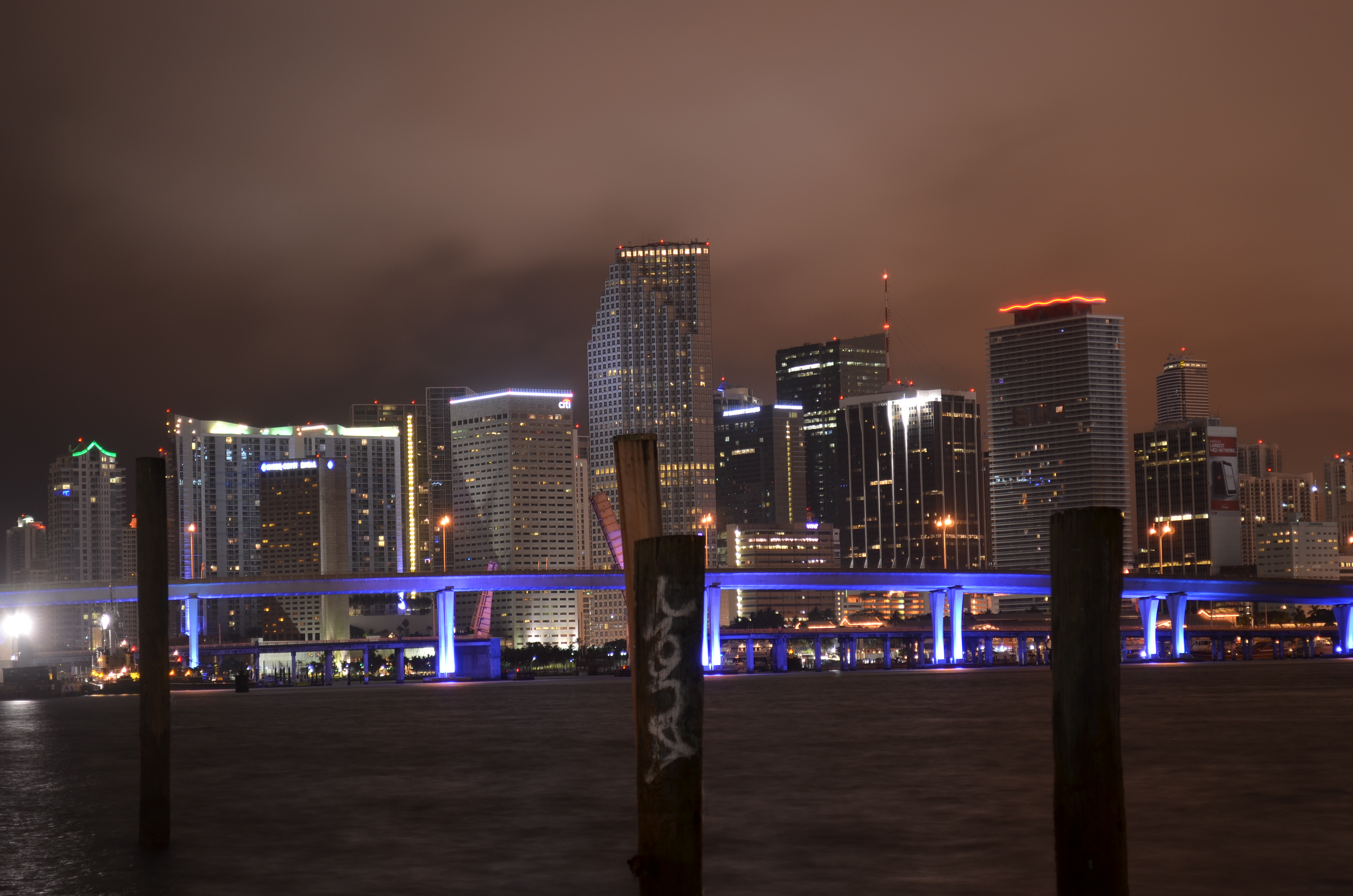
Site Plans in Miami, FL
Site Plans Miami | HVHZ Grading, Drainage & Water Management
Miami's limestone substrate, high water table, and sea level considerations create site planning challenges beyond standard Florida requirements. We address HVHZ wind resistance, elevated grading, and water management for the City of Miami Building Department.
Site Engineering for Miami's Limestone, High Water Table, and Sea Level Concerns
Site planning in Miami is fundamentally different from inland Florida. You're not just grading land and managing stormwater runoff. You're designing sites for HVHZ wind resistance, addressing flood vulnerability from coastal storms and sea level rise, accommodating Miami's limestone substrate and high water table, and navigating Miami-specific zoning overlays and waterfront district requirements. Whether you're developing in Brickell, Edgewater, Wynwood, Downtown Miami, the Design District, or Coconut Grove, your site plan must demonstrate how your project integrates with Miami's challenging environmental and regulatory context.
HB Design and Engineering's site planning approach starts with Miami's HVHZ designation and coastal environment. We analyze flood vulnerability, design grading that manages both stormwater and sea level rise considerations, coordinate foundation strategies with geotechnical conditions, and address wind-resistant site layout. Our site plans for Brickell high-rises account for waterfront setbacks and stormwater requirements. Edgewater waterfront projects incorporate elevated grades for storm surge. Wynwood mixed-use developments navigate creative overlay zoning. Downtown projects address high-density infrastructure coordination.
We understand Miami's development challenges: limestone foundation conditions requiring specialized grading approaches, flood-prone neighborhoods requiring elevated terrain strategy, waterfront overlay districts adding site planning complexity, and City of Miami Building Department's rigorous site plan review process. Our site plans are preparation for fast approval, reflecting Miami-specific best practices in water management, drainage coordination, and HVHZ resilience planning.

Site Plans for Miami Contractors and Developers
General Contractor Focus: Site Plans That Guide Your Site Development
Clear site plans are essential for efficient site development in Miami. We provide grading plans that your earthwork contractor can execute, drainage details that plumbers and site crews can install, and utility coordination drawings that prevent conflicts with subsurface conditions. Miami's limestone makes excavation unpredictable, our site plans address limestone conditions upfront.
Stormwater Management & Miami's Regulatory Environment
Miami's strict stormwater requirements and South Florida Water Management District regulations demand detailed site plans. We design retention/detention systems, calculate stormwater volumes, coordinate with City of Miami Building Department standards, and navigate the complex approval process for Miami water management systems.
Limestone & High Water Table Site Development
Miami's limestone substrate and high water table create excavation and drainage challenges. Our site plans account for limestone bearing, recommend excavation depths that avoid high water table impacts, and detail drainage strategies specific to Miami's hydrogeology. This prevents expensive site surprises.
Residential Lot Development & Home Addition Site Plans
Developer Perspective: Site Plans That Accelerate Approvals & Reduce Development Risk
Developers know that site plan issues delay approvals and increase construction costs. Our site plans address City of Miami Building Department expectations comprehensively, demonstrate flood resilience strategy, and provide alternative approaches for challenging sites. This accelerates approvals and reduces contingencies.
Waterfront, Mixed-Use & Overlay District Navigation
Edgewater waterfront, Wynwood mixed-use, and Design District projects require site plans that navigate overlay districts, demonstrate compatibility with neighborhood context, and address specific waterfront or creative-district requirements. We design site plans tailored to each neighborhood's unique requirements.
Residential Lot Development & Home Addition Site Plans
Homeowners developing lots or adding significant structures in Miami need site plans that address HVHZ grading, flood resilience, and limestone foundation strategy. We provide residential site plans for single-family development, additions, pools, and accessory structures.
Why Choose HB Design and Engineering in Miami
HVHZ & Flood Resilience Site Design
- We don't just grade and drain. Our site plans incorporate HVHZ wind resistance strategy, address flood vulnerability with elevated grading, integrate water management for sea level rise, and demonstrate resilience to Miami's coastal challenges.
Limestone & High Water Table Expertise
- Most site planners lack specialized knowledge of Miami's limestone substrate and high water table. We design grading that accommodates limestone conditions, excavation depths that avoid water table impacts, and drainage systems that work with Miami's hydrogeology.
Miami Waterfront & Overlay District Mastery
- Edgewater waterfront, Wynwood creative overlay, Miami River overlay, and Design District requirements add site planning complexity that non-Miami site planners often miss. We navigate these overlays routinely and integrate site planning with neighborhood requirements.
Coordinated Delivery with Architecture & Structural Teams
- Our site plans coordinate with architectural and structural design by the coordinated team. Grading supports foundation strategy, drainage integrates with building systems, and site development aligns with overall project vision. No coordination surprises during construction.
City of Miami Building Department
(305) 416-1100
Average Review Time:
Site plan review 15-30 business days (can require additional rounds for stormwater/flood concerns)
Pro Tip:
Submit site plans through iBuild portal with comprehensive stormwater calculations, flood elevation analysis referencing FEMA flood maps, limestone-aware grading strategy, and detailed utility coordination. City reviewers focus on flood resilience and stormwater management, address these thoroughly on your site plans.

Miami Building Department Quick Reference
Site Plans Project Types in Miami

• High-rise residential development site plans
• Mixed-use waterfront development grading and drainage
• Wynwood creative district site planning
• Downtown Miami high-density development
• Retail and commercial site development
• Residential lot development and addition site plans
• Small commercial and office site development
FAQs
What makes site planning different in Miami?
Miami's HVHZ designation, flood vulnerability, limestone substrate, high water table, waterfront zoning overlays, and sea level rise considerations create site planning challenges unique to Miami. Your site plan must address all these factors simultaneously while meeting City of Miami Building Department standards.
How do limestone and high water table conditions affect site planning?
Miami's limestone substrate has variable bearing capacity requiring site-specific analysis. The high water table limits excavation depth in many areas. Our site plans account for limestone conditions, recommend appropriate excavation strategies, and design drainage systems that work with Miami's hydrogeology.
What flood resilience strategy should be included in Miami site plans?
Miami site plans should demonstrate elevated grading where appropriate, stormwater retention/detention strategies, proper drainage away from structures, and acknowledgment of FEMA flood elevation and sea level rise projections. We integrate flood resilience throughout site design.
How does HVHZ affect site layout and grading?
HVHZ wind resistance influences tree placement (wind-resistant species, appropriate spacing), site layout (minimizing wind tunnel effects), and grading strategy (elevating critical areas, managing wind-exposed grades). Site design accounts for Miami's extreme wind environment.
What stormwater requirements does City of Miami Building Department enforce?
Miami requires detailed stormwater management including volume calculations, retention/detention design, water quality treatment, and coordination with South Florida Water Management District standards. Our site plans address Miami's comprehensive stormwater requirements.
How do waterfront overlay and creative district requirements affect site planning?
Waterfront districts and creative overlays add requirements beyond standard site planning. Edgewater waterfront requires waterfront setbacks and public access. Wynwood creative overlay requires activation and community integration. We navigate these overlays in site design.
Miami Site Plans That Address HVHZ, Flood Resilience & Limestone Conditions
Don't underestimate Miami's site planning complexity. Let HB Design and Engineering design site plans that navigate HVHZ, flood resilience, limestone conditions, and City of Miami Building Department requirements. Faster approvals, reduced development risk.


Other HB Design and Engineering Services in Miami
We Also Serve These Nearby Areas
- Fort Lauderdale - Broward coastal area with similar water management and flood concerns
Miami Beach - Island community requiring additional flood and water management considerations
Coral Gables - Historic area with architectural and site design overlay requirements
Hialeah - Inland Miami-Dade location with different stormwater and water table conditions
Doral - Western Miami-Dade area with master-planned development and varied site planning requirements